What a decoy vault actually does
Encryption protects your photos from someone who takes your phone. It does nothing about someone standing in front of you asking you to open it. That is a different problem with a different answer.
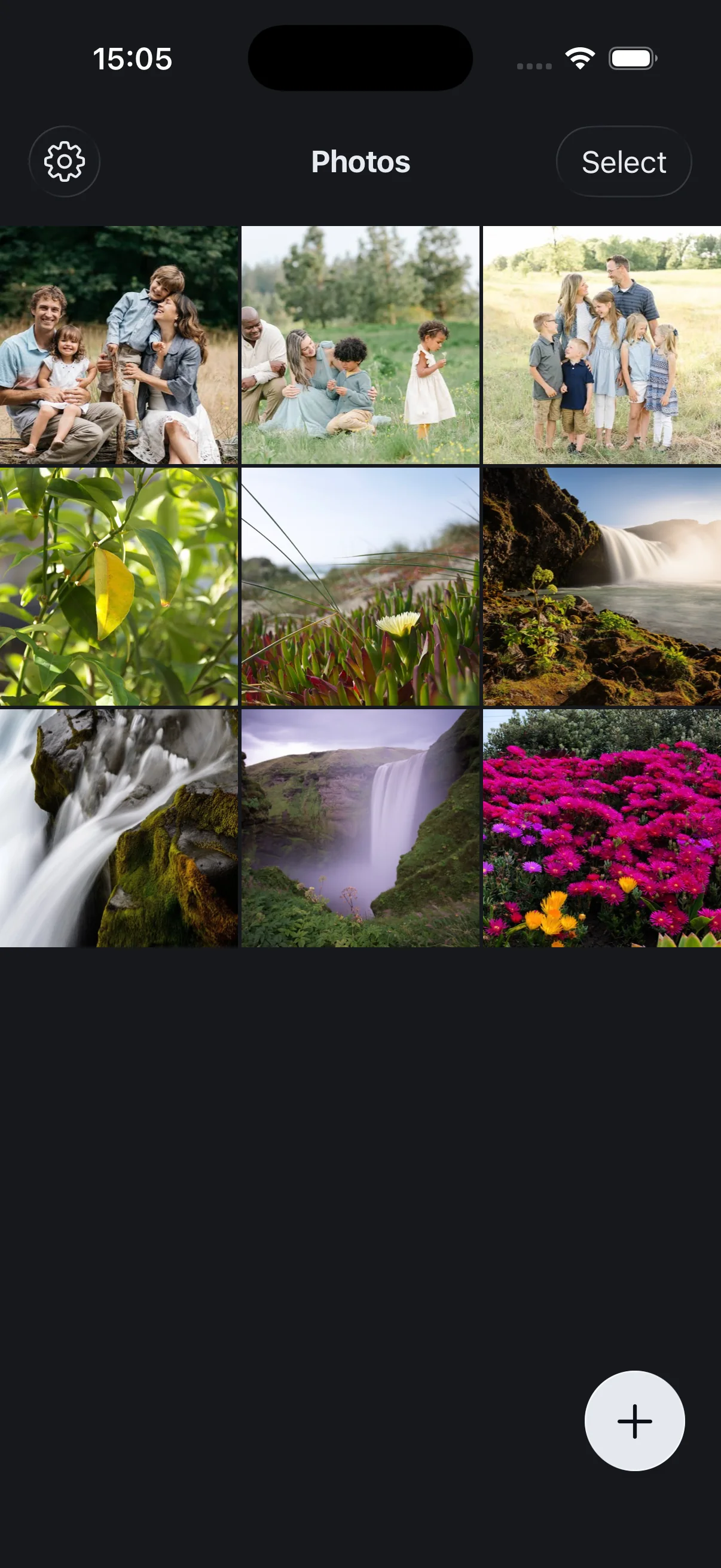
A shake vs a fake PIN
 AlterVault
A disguised app icon is not the same thing: it hides that a vault exists, not what is in it.
The problem encryption does not solve
Encryption handles a stolen phone. A key you have not typed is the end of it.
It does nothing about someone standing in front of you. Then encryption only lets you refuse, and refusing confirms there is something to see.
The category calls this plausible deniability. It is mostly a domestic problem, not a spy one.


Why a gesture beats a second code
A fake PIN means typing a code while the person who asked is watching. A shake fires from a phone you are already holding.
Four ways a decoy gives itself away
Three of these are the owner's mistake, not the app's.
How ours works
- One sharp shake hides it
- The decoy replaces the vault instantly. No code, no confirmation, no animation, and one hard haptic thud so you know it fired without looking.
- Shake again to come back
- A code pad appears. Enter your code and you are back where you were. No input for five seconds and the pad clears itself.
- A cooldown stops the bounce
- Motion is ignored briefly after a hide, so one hard shake cannot bounce you straight back into the real vault.
- Every failure fails toward privacy
- Too hard, too soft, wrong count, by accident: every outcome is either boring photos or a keypad nobody present can fill.
- The decoy is a real gallery
- It ships with filler so it is never empty. Pro lets you swap in your own photos, which holds up better.
The decoy hides what is in the vault, not that you have one. The app is on your home screen with its own name and icon.


What deniability is not
It protects against a person, not an expert with tooling. No vault app should claim otherwise.
It is also not a legal strategy. In some places you can be compelled to produce a passcode, and misleading an official can be a separate offence from whatever they were looking for. If your situation involves a border, a court or an investigation, the right tool is a lawyer.